Ensuring quality is one of the most crucial steps in modernization of software written in old code. When you migrate from outdated Delphi or .NET versions, you need to ensure that the application works smoothly on the new architecture. Also, data integrity, data structure and all business processes should remain stable. The challenge is to make sure that the system and migrated data behave exactly as before or even better.
For this reason, Quality Assurance (QA) is not a final check at Softacom. Instead, it is one of the core stages of every migration process. Our QA engineers collaborate with developers and architects. This is how they can detect risks early and ensure stable releases.
Below, we share how our QA process works and how we use AI and automated tools to strengthen our approach.
Why QA Matters in Modernization Projects
Old systems often contain decades of undocumented logic. Existing data may include missing values, incomplete data or poor quality data. Migrating them without QA increases the risk of data loss and breaking workflows that businesses rely on every day. For example, common challenges can be:
- inconsistent or outdated documentation
- hidden dependencies between modules
- configuration files scattered across multiple locations
- legacy codebases with unclear logic
- tight integration with databases and external systems
Without testing, these issues can lead to downtime and financial losses. They can disrupt business operations and impact customer satisfaction. This is why Softacom incorporates QA during the whole delivery cycle.
How We Test Complex Migration Projects
At Softacom, QA engineers join early: at the requirements analysis step. Their early involvement allows to evaluate the system from the end-users’ perspective, helping identify gaps and missing details in the requirements. This approach helps prevent issues before any code is written. It also saves time and costs by preventing refactoring later in the process.
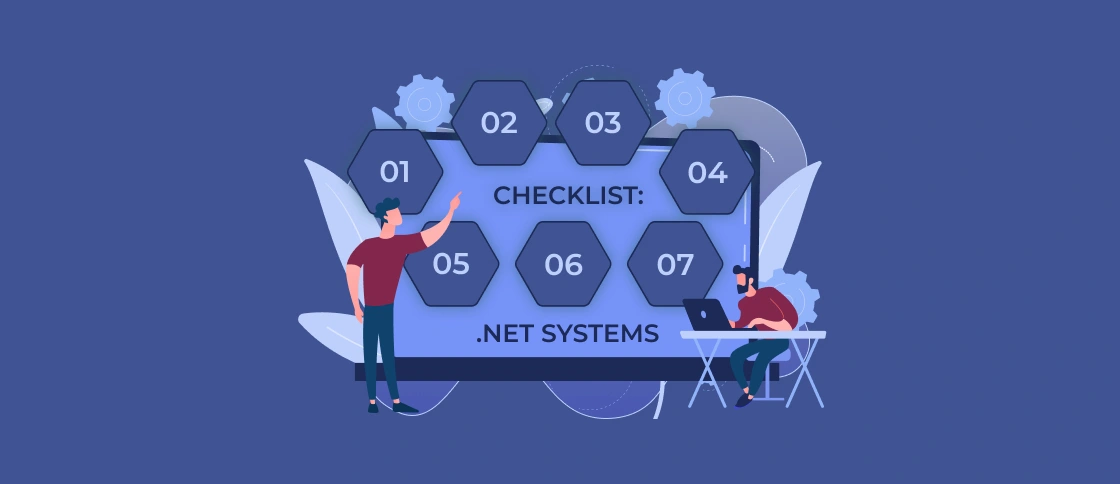
Our QA process is predictable and transparent across projects:
#1 Requirement Analysis
We study documentation, existing logic, and user flows. Together with the team, QA engineers form a shared understanding of the migration strategy.
#2 Planning Test Coverage
We define which scenarios must be tested:
- positive and negative cases
- boundary values
- data completeness
- integration points
- regression scope
#3 Functional Testing
We verify the new or modified logic. In parallel, we check the surrounding functionality that could be affected by changes.
#4 Defect Tracking, Developer Collaboration
We document issues with detailed reproduction steps and environment information. Then, we work with developers to confirm fixes.
#5 Retesting and Regression
When issues are resolved, we recheck them and ensure no side effects appear.
#6 Client Support and Business User Involvement
We provide our test results to the client and business users and support their own verification process. We answer questions and clarify system behavior.
#7 Confirmation of Release Readiness
After both sides complete testing, we confirm the release is ready for production.
How Softacom QA Team Uses AI
AI speeds up our process but it doesn’t replace our engineers. AI helps our team:
- Understand undocumented functionality when the system logic is unclear.
- Analyze multiple configuration files and identify parameter mismatches.
- Generate diverse test-case ideas.
- Analyze code quickly to understand the function’s purpose, parameters and dependencies.
QA engineers use AI as an assistant. It removes routine tasks and allows testers to focus on complex problems. Its suggestions always undergo human verification.
Case: Migration to Delphi 12
In one of our migration projects, we had a set of interconnected Delphi applications. Each of them relied on the correct behavior of several others. Configuration data was spread across multiple files in different directories. And system behavior depended on subtle parameter interactions.
This is how AI helped:
- It showed exact configuration files and parameters that could cause incorrect behavior.
- It helped trace the underlying cause of a recurring error, so we fixed it later.
- It simplified navigation through undocumented logic and dependencies.
This resulted in faster root-cause analysis, fewer manual checks, and quicker delivery of stable builds.
Our QA Best Practices and Internal Standards
Documenting Application Logic
One of the strongest practices is documenting the internal logic of applications. This is especially important because we often test new features, bug fixes, changed workflows across the same applications repeatedly.
Documentation helps:
- Onboard new testers quickly
- Ensure consistency in understanding the system’s behavior
- Detect deviations after functional changes
Test Cases and Checklists
Test cases and checklists are valuable for our internal QA team and for the client.
- Test cases document complex verifications that require following a precise sequence of steps. They describe detailed scenarios, conditions, actions, and expected results. This makes them ideal for multi-step workflows or tightly integrated features.
- Checklists are more suitable for documenting isolated checks in an application. For example, validating text input fields, authorization forms or small UI components. Their purpose is to ensure that no basic but important detail is overlooked.
Both improve transparency. They help avoid missing critical checks. All stakeholders can rely on the same structured testing logic.
Root-Cause Analysis as a Principle
Our QA engineers don’t limit themselves to “clicking through the UI.” They:
- analyze logs
- inspect code when necessary
- work with configuration files and databases
- help developers quickly locate the source of defects
This reduces development time and speeds up releases. This saves clients time, budget and reputation.
What Makes Our QA Approach Strong
Our philosophy is simple: deliver quality through collaboration, analysis and deep system understanding. Our strengths include:
- Technical understanding of architecture, logic, and code
- Smart and controlled use of AI
- Open communication with clients about potential risks
- Thorough requirement analysis to detect gaps early
This combination allows us to prevent issues before they appear and resolve them.
How We Ensure Quality After Migration
We ensure quality through a complete and systematic approach:
- Deep preparation before migration. Developers analyze data structures, dependencies, and risk areas.
- Testing old vs new functionality. We verify that migrated features behave exactly the same, unless differences are intentional.
- Dedicated test environments. All checks are isolated and repeatable.
- Thorough functional and regression testing. We validate migrated components and ensure system stability.
- Fast feedback loops with developers. Problems are identified, discussed and fixed quickly.
- Full support during client-side testing. We answer questions, clarify behaviors and adjust tests when needed.
As a result, the migrated system functions safely and consistently.
Conclusion
Quality Assurance often defines the success of a modernization project.
AI strengthens the process but does not replace expertise. Experienced QA engineers use intelligent tools and have a deep understanding of the system’s logic. They ensure quality after migration.
This is how Softacom delivers reliable and high-quality modernization outcomes for every client.